Why Choose a Flanged Ball Valve for Your Piping System?
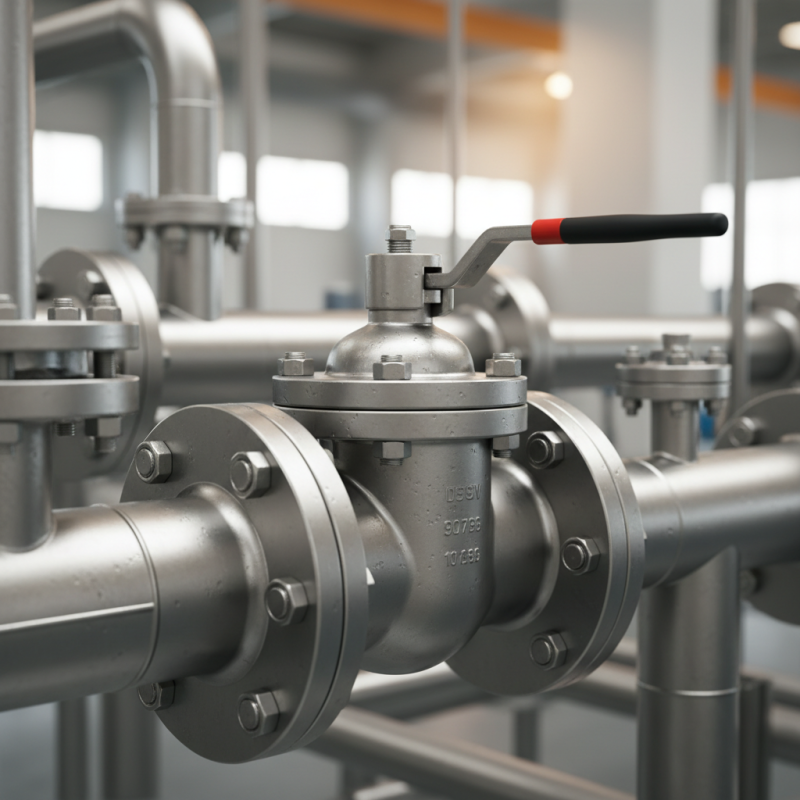
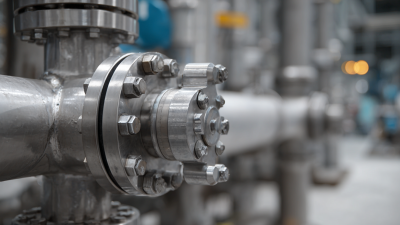
When selecting components for a piping system, understanding their benefits is essential. A Flanged Ball Valve stands out for its reliability and ease of use. Its sturdy design ensures a tight seal, preventing leaks. This is crucial in systems that handle various fluids or gases.
A Flanged Ball Valve simplifies installation. The flanged connection allows for secure attachment to pipes. This can save time and reduce the risk of installation errors. Moreover, maintenance is straightforward. Replacing or repairing these valves does not require significant downtime, which is an advantage in operational settings.
However, it's important to remember that not every situation demands a Flanged Ball Valve. Some environments may require specialized valves for certain pressures or temperatures. Always evaluate your specific needs. This reflection can lead to a more efficient and effective piping system.
Advantages of Flanged Ball Valves in Piping Systems
Flanged ball valves are increasingly popular in piping systems due to their numerous advantages. One significant benefit is ease of installation. The flanged design allows for simple bolting to existing pipework, reducing labor costs. According to a recent industry report, around 70% of maintenance teams prefer flanged ball valves for quick replacements. This design minimizes downtime during repairs and maintenance tasks.
Another critical advantage is the excellent sealing capability of flanged ball valves. The robust design offers a tight seal, preventing leakage. Some studies indicate that leaks can cost industries up to $7 billion annually, underlining the importance of reliable sealing. The reduced risk of leaks not only promotes safety but also enhances system efficiency, leading to energy savings.
However, it is important to consider the potential drawbacks. Flanged connections can be more expensive initially. Some experts suggest evaluating long-term cost savings against upfront expenses. Proper installation and regular inspections are crucial to maintain efficiency. Without these, the benefits can diminish over time, leading to operational challenges. The choice of a flanged ball valve should always come with a thorough assessment of system requirements and long-term goals.
Why Choose a Flanged Ball Valve for Your Piping System? - Advantages of Flanged Ball Valves in Piping Systems
| Advantage |
Description |
Applications |
Material Compatibility |
| High Flow Capacity |
Flanged ball valves provide a straight-through design allowing for minimal flow resistance. |
Water supply, gas distribution |
Steel, PVC, CPVC |
| Durability |
These valves are designed for high pressure and temperature applications. |
Oil and gas, chemical processing |
Stainless steel, brass |
| Easy Operation |
They can be operated quickly with just a quarter turn. |
HVAC systems, water treatment |
Aluminum, cast iron |
| Leak Tightness |
Provides excellent sealing capabilities, reducing risk of leaks. |
Piping systems in industries |
PTFE, rubber |
| Versatility |
Can be used for various fluids including liquids and gases. |
Municipal water systems, industrial applications |
Wide range of materials |
Comparative Analysis: Flanged Ball Valves vs. Other Valve Types
Flanged ball valves are gaining popularity in various industries due to their unique advantages. According to a report from Research and Markets, the global ball valve market is expected to reach USD 12.3 billion by 2025. This growth can be attributed to the efficiency and reliability that flanged ball valves offer compared to other types, such as gate or globe valves.
One significant aspect is their ease of installation. Flanged ball valves can be quickly connected to piping systems, significantly reducing downtime. In contrast, globe valves require more complex fittings. However, while ball valves excel in many areas, they can have limitations in throttling applications. Their design isn't always suited for precise flow control, which can be a drawback in some scenarios.
A recent study by Valve Magazine highlighted that flanged ball valves maintain a tight seal under high-pressure conditions. This capability is critical in preventing leaks and maintaining system integrity. Yet, it’s essential to consider maintenance needs. While ball valves are generally low-maintenance, gasket wear over time can lead to performance issues. Thus, users must regularly evaluate their system to prevent potential failures.
Industry Applications of Flanged Ball Valves and Their Performance
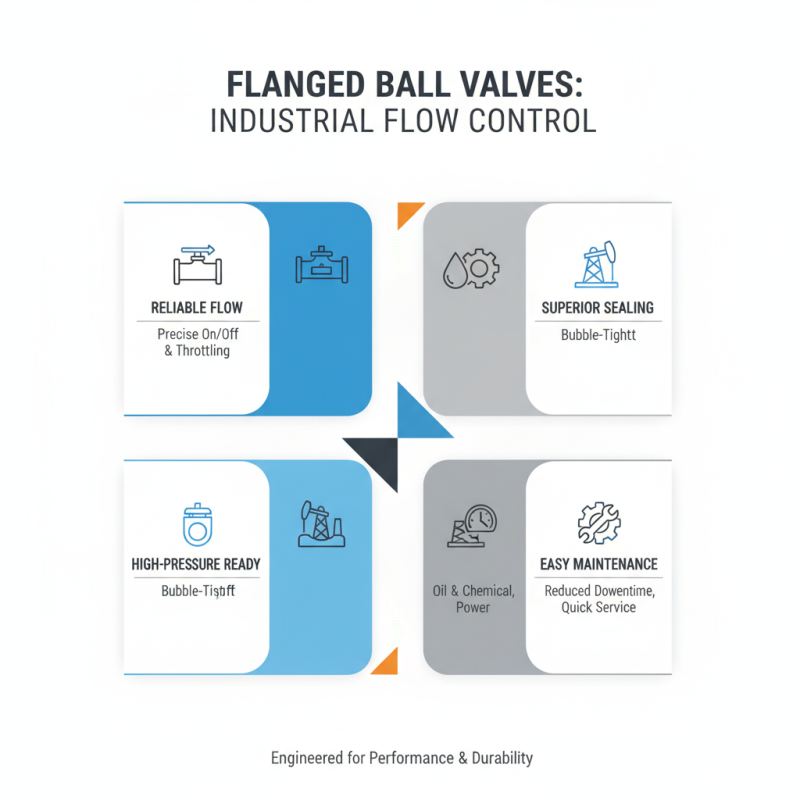
Flanged ball valves are common in many industry applications. They provide reliable flow control and excellent sealing performance. In oil and gas, these valves handle high-pressure fluids with ease. Their design allows for quick maintenance, making them ideal for critical systems.
In water treatment facilities, flanged ball valves regulate the flow of processed water. Their durability ensures long-term operation under varying conditions. However, using them in corrosive environments requires careful material selection. This mistake can lead to costly repairs and downtime.
Tips: Always inspect valve seals for wear and tear. Regular maintenance is essential to ensure optimal performance. Also, consider environmental factors when choosing valve materials. Proper selection can prevent premature failures and enhance system reliability.
Key Material Considerations for Flanged Ball Valve Durability
Flanged ball valves are crucial for effective piping systems. Their durability largely depends on the materials used in their construction. Common materials include stainless steel, brass, and plastic. Each option has advantages and disadvantages. For example, stainless steel offers high strength and corrosion resistance. However, it's heavier and more expensive than brass.
Brass valves are lighter and still provide durability, but they may not handle extreme temperatures as well. Plastic valves, on the other hand, are lightweight and resistant to chemicals. Yet, they might be less robust against high pressures. Choosing the right material is vital for the valve's lifespan and overall performance.
Take time to consider your specific operating conditions. You should weigh factors like temperature, pressure, and chemical exposure. These decisions could prevent costly failures in the long run. A mismatch between the valve's material and its environment can lead to issues, and that’s a point often overlooked.
Cost-Benefit Analysis of Flanged Ball Valves in Long-term Use
When evaluating the cost-effectiveness of flanged ball valves, consider their long-term benefits. A recent industry report indicates that flanged ball valves can reduce maintenance costs by up to 40%. This reduction is crucial for companies managing complex piping systems. With fewer leaks and operational failures, businesses experience less downtime. Less downtime equates to increased productivity, directly impacting bottom lines.
Additionally, flanged ball valves enhance system efficiency. They offer a tight sealing mechanism, minimizing the risk of fluid loss. According to a study by the American Society of Mechanical Engineers, systems using high-quality flanged ball valves save approximately 15% in energy costs annually. This feature is vital in large-scale operations where energy expenditure profoundly affects overall profitability.
However, initial installation costs may seem high. A careful analysis shows that the return on investment typically aligns with a two to three-year payback period. Choosing flanged ball valves requires consideration of quality and material. Not all flanged ball valves deliver the same performance. Inconsistent manufacturing practices can lead to failures, causing unforeseen expenses.