What is Electrical Steel and Why is it Important?
Electrical Steel is a specialized material used in manufacturing electrical equipment. It is critical for the efficiency of transformers, motors, and generators. According to Dr. Jane Thompson, an industry expert in electrical materials, “Electrical steel is the backbone of modern energy systems.” This highlights its importance in power generation and distribution.
The unique properties of electrical steel allow for reduced energy losses. Its design ensures that magnetic fields are contained effectively. This is vital in enhancing the performance of electrical devices. However, the production of electrical steel requires advanced technology and careful quality control. Sometimes, manufacturers face challenges in achieving optimal performance.
Moreover, the rising demand for renewable energy sources puts pressure on electrical steel production. This creates both opportunities and difficulties. As the industry evolves, there is room for improvement. Reflections on sustainability and innovation are essential. The future of electrical steel will influence the global energy landscape profoundly.
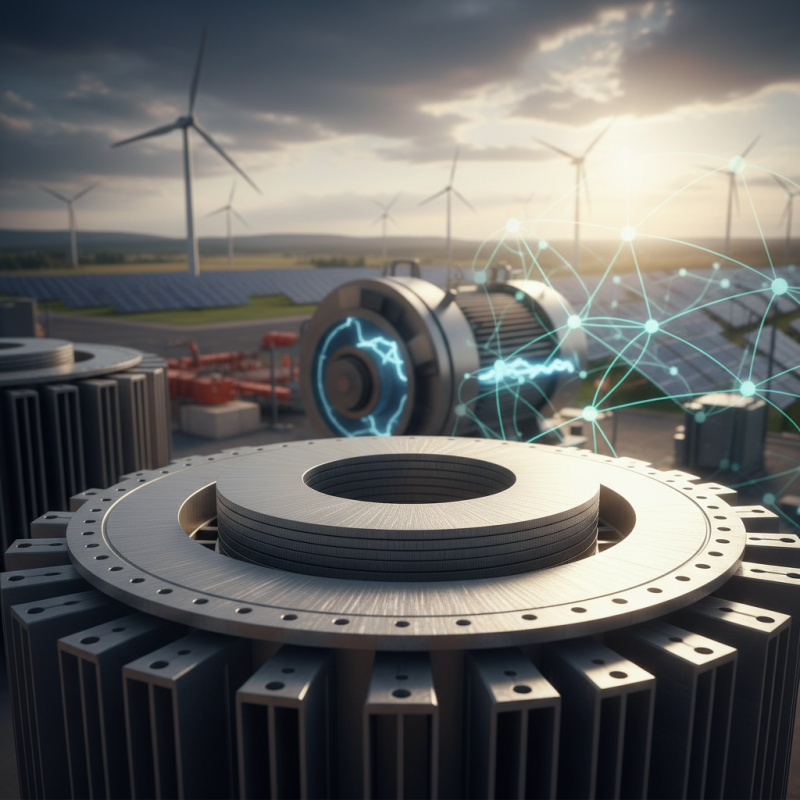
Definition and Composition of Electrical Steel
Electrical steel, also known as silicon steel, is a specialized type of steel. Its primary role is to enhance the performance of electrical devices. This material is typically composed of iron with added silicon. Silicon content usually ranges from 0.5% to 6.5%. It improves magnetic properties, making electrical steel crucial for transformers and electric motors.
These properties allow for efficient energy conversion. The reduced energy loss during operation is essential in today's energy-conscious world. Electrical steel comes in two major types: grain-oriented and non-grain-oriented. Grain-oriented electrical steel has a preferred grain direction, enhancing its magnetic performance. Non-grain-oriented types, however, are more flexible in applications across various angles.
Tip: When selecting electrical steel, consider the specific application requirements. The type of electrical steel can significantly impact efficiency and longevity. Even minor impurities in composition can affect performance. Always assess the purity and grade before purchasing. An inaccurate choice could lead to increased energy losses and reduce system reliability. Always remember that seemingly small details matter a lot in industrial applications.
Electrical Steel Consumption by Industry (2023)
This bar chart represents the estimated consumption of electrical steel across various industries in 2023. Electrical steel is crucial for the production of efficient electrical machines and transformers, making its demand significant in sectors such as automotive, renewable energy, and industrial applications.
Types of Electrical Steel and Their Properties
Electrical steel is a specialized type of steel used in magnetic applications. It plays a vital role in the performance of motors, transformers, and generators. Understanding the different types of electrical steel is crucial for optimizing efficiency.
There are two main types: silicon steel and non-oriented electrical steel. Silicon steel contains silicon, which improves magnetic properties. It is often used in transformer cores and electric motors. Non-oriented electrical steel has a more isotropic nature. This means it performs equally well in all directions. It is commonly found in rotating machinery.
Each type has specific properties. For example, silicon steel reduces energy loss during operation. Non-oriented steel, while less efficient than its silicon counterpart, offers advantages in manufacturing. The choice between them can greatly affect the design process. Balancing performance with cost is sometimes challenging. Such decisions require careful consideration.
Applications of Electrical Steel in Industry
Electrical steel plays a crucial role in various industrial applications. It is specifically designed for use in electrical devices. This material is known for its magnetic properties, which help to improve efficiency in transformers and electric motors. In many industries, minimizing energy loss is vital. Therefore, electrical steel is heavily utilized to meet this requirement.
Transformers are one of the primary uses of electrical steel. They rely on high permeability and low hysteresis loss. Poor selection of materials can lead to inefficiencies and increased operational costs. Electric motors also benefit from electrical steel, enhancing their performance. A well-designed motor often consumes less energy and operates smoothly. In this context, details like sheet thickness and coating can impact overall efficiency.
However, challenges exist. Manufacturing electrical steel can be complex. Small imperfections in the material can significantly affect performance. Many companies still struggle with achieving the ideal balance between cost and quality. These considerations reflect the ongoing need for innovation and improvement in the industry. The development of better electrical steel types could result in significant energy savings and improved technology integration.
What is Electrical Steel and Why is it Important?
| Property | Value |
| Material Type | Electrical Steel |
| Magnetic Flux Density | 1.5 - 2.2 T |
| Core Loss (W/kG) | < 1.0 |
| Applications | Transformers, Electric Motors, Generators |
| Production Process | Cold Rolled, Coated, Laminated |
| Properties Enhancements | Grain-oriented, Non-grain-oriented |
| Key Benefits | High Efficiency, Reduced Losses |
Importance of Electrical Steel in Energy Efficiency
Electrical steel plays a crucial role in improving energy efficiency in various applications. It is a specialized steel that enhances magnetism, which is essential for electric motors and transformers. According to a report by the World Steel Association, the use of electrical steel can improve energy efficiency by up to 30% in certain applications. This can lead to significant reductions in energy consumption.
In electric vehicles (EVs), electrical steel is vital. The efficiency boost in motor systems translates to longer ranges for EVs. The Alliance to Save Energy states that optimized electrical steel can save around 1.5 billion kilowatt-hours annually. This translates to reducing emissions and supporting greener energy sources. With the global push for sustainability, the importance of electrical steel cannot be overlooked.
However, the supply chain for electrical steel faces challenges. Factors like fluctuating raw material prices can affect production. Additionally, not all manufacturers have access to the latest metallurgical advances. This often leads to inconsistencies in quality and performance. Addressing these issues is essential to maximize the benefits of electrical steel in achieving energy efficiency goals.
Future Trends in Electrical Steel Technology
Electrical steel is vital for electric machines, transformers, and other applications. As the world pushes for electric vehicles and renewable energy, the demand for high-performance electrical steel increases. Future trends show a focus on improving efficiency and reducing energy losses. Innovations in alloying elements and manufacturing techniques promise lighter and stronger steel. These factors enhance performance in motors and generators.
Tips: Focus on proper testing methods. Evaluate different grades of electrical steel carefully. This can uncover a better fit for specific applications. Don't overlook the potential of advanced coatings. They can significantly enhance magnetic properties.
Sustainability is becoming a key driver in electrical steel production. Manufacturers are exploring recycled materials. This not only reduces waste but also lowers costs. Moreover, advancements in processing technology may lead to reduced energy consumption. Always consider the long-term impact of material choices on both performance and the environment. Balancing cost and performance remains a challenge. Continuous research is essential for addressing limitations in current technologies.