Top Packing Machine Types for Your Business Needs?
Choosing the right Packing Machine can significantly impact your business's efficiency. Each industry has its unique needs. A suitable packing machine should align with your product types.
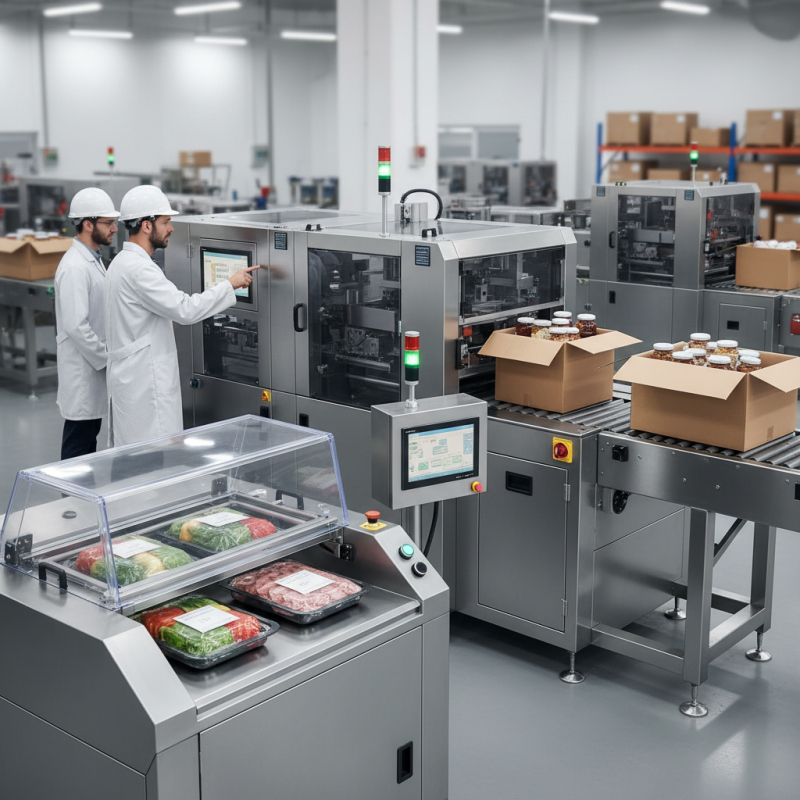
There are various packing machines available in the market. For example, vacuum packing machines are excellent for food products. They extend shelf life and maintain freshness. On the other hand, automatic case packers can save time and labor. They quickly package goods into boxes, enhancing productivity.
However, selecting a packing machine isn't straightforward. You may encounter challenges in terms of cost and maintenance. It's essential to weigh these factors carefully. Finding the perfect fit requires research and reflection. Consider your future growth while making decisions today.
Overview of Packing Machines and Their Importance in Business
Packing machines play a crucial role in streamlining business operations. The right packing machine can enhance efficiency and reduce labor costs. According to a study by Grand View Research, the global packaging machinery market is expected to reach $50 billion by 2025. This growth reflects the increasing demand for automation in packaging processes.
Different types of packing machines serve diverse needs. For instance, vertical form-fill-seal machines are popular for snack packaging. They are fast and compact, making them ideal for small spaces. On the other hand, case packers are essential for businesses dealing with bulk items. These machines automate the packing process, leading to significant time savings.
Tip: Assess your product dimensions before choosing a packing machine. This helps ensure that your machine operates efficiently.
It's important to note that not every packing machine suits every product. Some machines may require adjustments for specific materials, which can lead to inefficiencies. Regular maintenance is needed to keep machines in optimal condition.
Tip: Invest in training for your staff to minimize operational errors and improve productivity.
Common Types of Packing Machines for Various Industries
Packing machines play a crucial role in various industries. They improve efficiency and maintain product integrity.
In the food industry, vertical form-fill-seal (VFFS) machines are common. According to recent industry reports, VFFS machines can produce 300 bags per minute. This speed is vital for high-demand products like snacks and frozen foods. However, while these machines excel at speed, they can be prone to malfunctions if not regularly maintained. Businesses must schedule frequent checks to avoid downtime.
In pharmaceuticals, blister packaging machines are essential. They provide a protective barrier for tablets and capsules. Research indicates that 70% of medication errors occur due to improper packaging. This highlights the need for reliable blister machines. Companies often struggle with calibrating machines for different product sizes. This adjustment process can lead to production delays and affects overall efficiency. Understanding these machine types and their challenges is key to meeting business needs.
Key Features to Consider When Choosing a Packing Machine
When selecting a packing machine, understanding key features is essential. Automation level matters. Machines can be semi-automatic or fully automatic. A survey by Packaging World found that 62% of companies prefer automated solutions to reduce labor costs. Automation accelerates packing speeds. Yet, it raises initial investment concerns.
Size and format of packaging also play crucial roles. Some machines handle flexible pouches, while others manage rigid boxes. According to a study by Freedonia Group, demand for flexible packaging is projected to grow by 4.2% annually in the next five years. This trend indicates the need for versatile machinery. Proper sizing ensures less waste and improves efficiency.
Maintenance is another critical feature. High maintenance needs can lead to downtime. The average downtime in production due to machine failure is about 20%. Moreover, not all machines are easy to service. Opting for machines with user-friendly maintenance features can improve operational flow. Balancing upfront costs and long-term benefits remains a challenge for many businesses.
Top Packing Machine Types for Your Business Needs
| Machine Type | Key Features | Best For | Estimated Cost |
| Vertical Form Fill Seal | Automatic, high-speed, suitable for liquid and solid items | Snacks, beverages | $20,000 - $50,000 |
| Horizontal Flow Wrapper | Flexible, allows for different shapes, fast packaging | Bakery items, chocolates | $15,000 - $40,000 |
| Robotic Palletizer | Highly efficient, reduces labor costs, increases speed | Heavy loads, bulk items | $50,000 - $150,000 |
| Shrink Wrap Machine | Protects products, custom sizes, aesthetic appeal | Retail packaging, multipacks | $10,000 - $30,000 |
| Cartoning Machine | High throughput, various carton styles, easy setup | Pharmaceuticals, food products | $30,000 - $80,000 |
Comparative Analysis: Automated vs. Manual Packing Solutions
When choosing between automated and manual packing solutions, businesses must consider unique needs. Automated packing machines enhance speed and efficiency. They can process large volumes quickly. However, they come with high initial costs and require maintenance. Training staff to operate these machines can also take time.
Manual packing allows for greater flexibility. Workers can adapt quickly to changes in package size or product type. It may be more cost-effective for small-scale operations. Yet, relying on human labor can lead to inconsistencies. Errors may increase, especially during busy periods.
**Tips:** Assess your packing volume regularly. This can help determine if automation is necessary. Consider the skills of your workforce. Investing in training can mitigate some errors in manual processes. Sometimes, a mixed approach works best. Mix automated with manual processes for efficiency and adaptability.
Comparative Analysis: Automated vs. Manual Packing Solutions
This chart compares automated packing solutions to manual packing methods across various dimensions such as efficiency, cost, error rate, and setup time. Automated solutions demonstrate higher efficiency and lower error rates but come with increased initial costs and setup times compared to manual packing methods.
Future Trends in Packing Machine Technology and Innovation
In the ever-evolving packing machine industry, technology is a game changer. The rise of automation continues to reshape how businesses manage their packaging processes. According to a recent report by Smithers Pira, the global market for automated packaging systems is projected to reach USD 85 billion by 2027. This shift brings substantial efficiency improvements and reduced labor costs.
Innovation in packing machine technology focuses on sustainability. Many companies are adopting eco-friendly materials and processes. For instance, biodegradable packaging solutions are expected to grow by over 20% annually, highlighting a significant trend. While these advancements boost company image, they sometimes raise questions. Are businesses truly committed to sustainability, or is this just another marketing strategy?
Another area of focus is smart technology integration. IoT-enabled machines are becoming increasingly popular. These machines offer real-time data and analytics, enabling better decision-making. However, the cost of implementation can deter smaller businesses. The challenge lies in balancing modern technology with budget constraints. Amid rapid growth, reflecting on these factors is essential for sustainable progress in packing machine innovation.